High-Rise Luxury Apartment Aerodynamics: Understanding the Science Behind Modern Skyscrapers
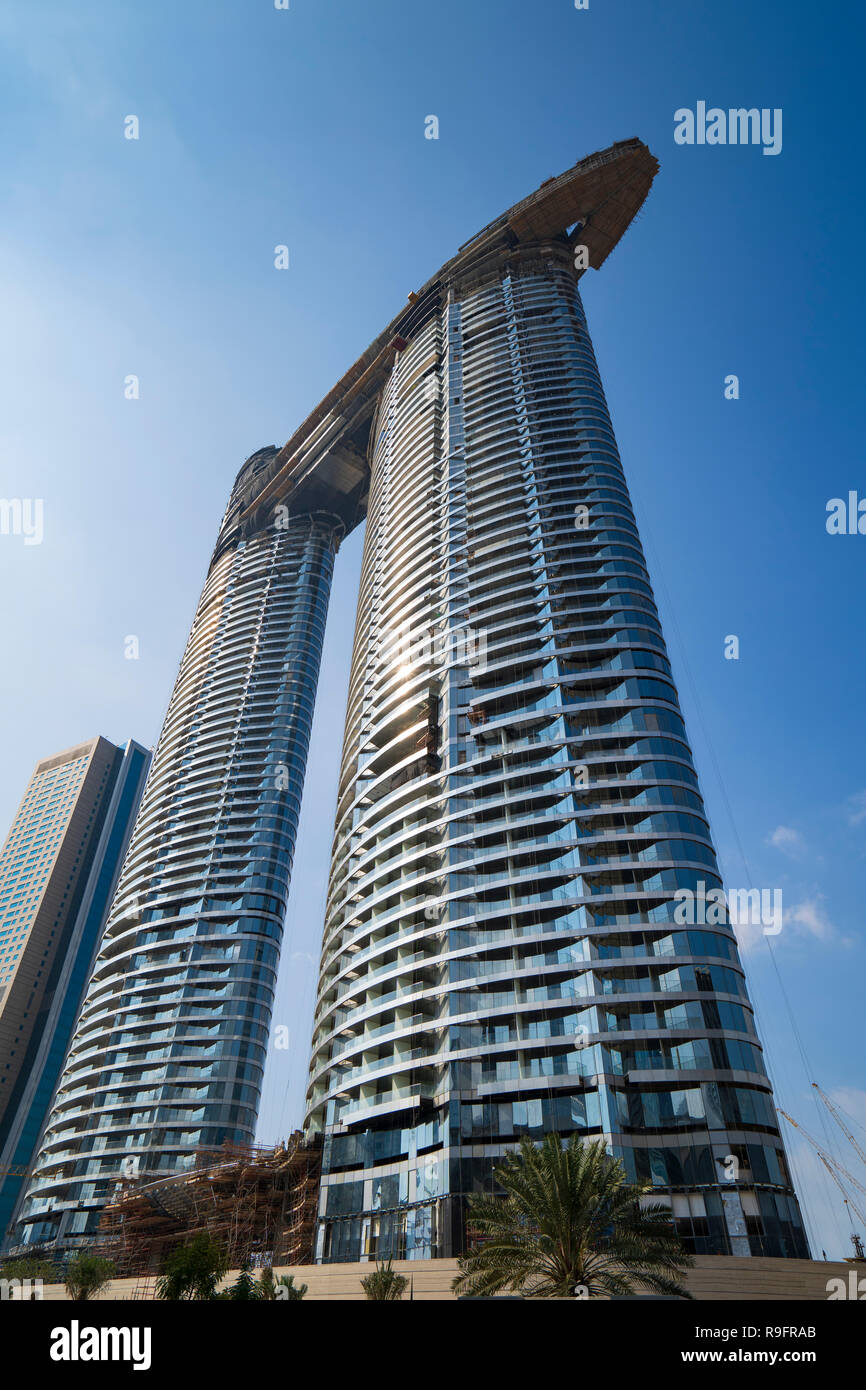
In recent years, the architecture of urban landscapes has undergone a significant transformation, with the emergence of high-rise luxury apartments that dominate the city skylines. As these structures continue to rise in height, understanding the aerodynamics behind them becomes increasingly crucial to ensure not only structural stability but also resident comfort and safety. In this article, we'll delve into the realm of high-rise luxury apartment aerodynamics and explore the intricate dance of air and shape, pressure and performance, in the design of modern skyscrapers. Aerodynamics plays a vital role in the design and functionality of high-rise luxury apartments. The flow of air around a building, particularly in the presence of wind, can have a significant impact on the structural stability, energy efficiency, and pedestrian comfort of the building. As wind flows over and around a building, pressure differences between the windward and leeward faces can lead to unwanted loads that may compromise the structural integrity of the building. Therefore, optimizing a building's aerodynamics is essential to ensure the safety and well-being of its occupants. The study of aerodynamics is critical in understanding how wind interacts with high-rise luxury apartments. As wind flows over a building, it creates various forces that act on the structure, including drag, lift, and horizontal forces. The shape and orientation of a building can significantly affect these forces, with sharper edges and angles creating more turbulence and higher pressure differences. To mitigate these forces, designers employ various aerodynamic modifications, such as smooth contours, wind deflectors, and wind barriers, to reduce wind resistance and improve the overall aerodynamic performance of the building.High-Rise Building Aerodynamics: A Case Study
A recent study on the aerodynamics of high-rise buildings used computational fluid dynamics (CFD) simulations to evaluate the aerodynamic performance of hexagonal and octagonal buildings with and without a single orifice at 75% of the building height. The results showed that the orifice significantly improved structural stability by reducing wind pressure on the windward face and suction on the leeward face. This study demonstrates the effectiveness of aerodynamic modifications in improving the safety and performance of high-rise buildings.Wind Tunnel Testing: A Crucial Tool in High-Rise Building Aerodynamics

High-Rise Building Aerodynamics: Future Directions
As high-rise luxury apartments continue to dominate urban landscapes, the importance of aerodynamics in building design and functionality will only continue to grow. Emerging technologies, such as computational fluid dynamics (CFD) and advanced wind tunnel testing, will play a crucial role in improving our understanding of wind-water interactions and optimizing building aerodynamics. Additionally, the use of aerodynamic modifications, such as wind deflectors and wind barriers, will become more widespread in high-rise building design to enhance resident comfort, structural stability, and energy efficiency.Ultimately, high-rise luxury apartment aerodynamics is a complex field that requires a multidisciplinary approach, incorporating expertise from engineering, architecture, and materials science. As our cities continue to grow and evolve, understanding the science behind high-rise building aerodynamics is crucial to creating safe, sustainable, and livable communities.
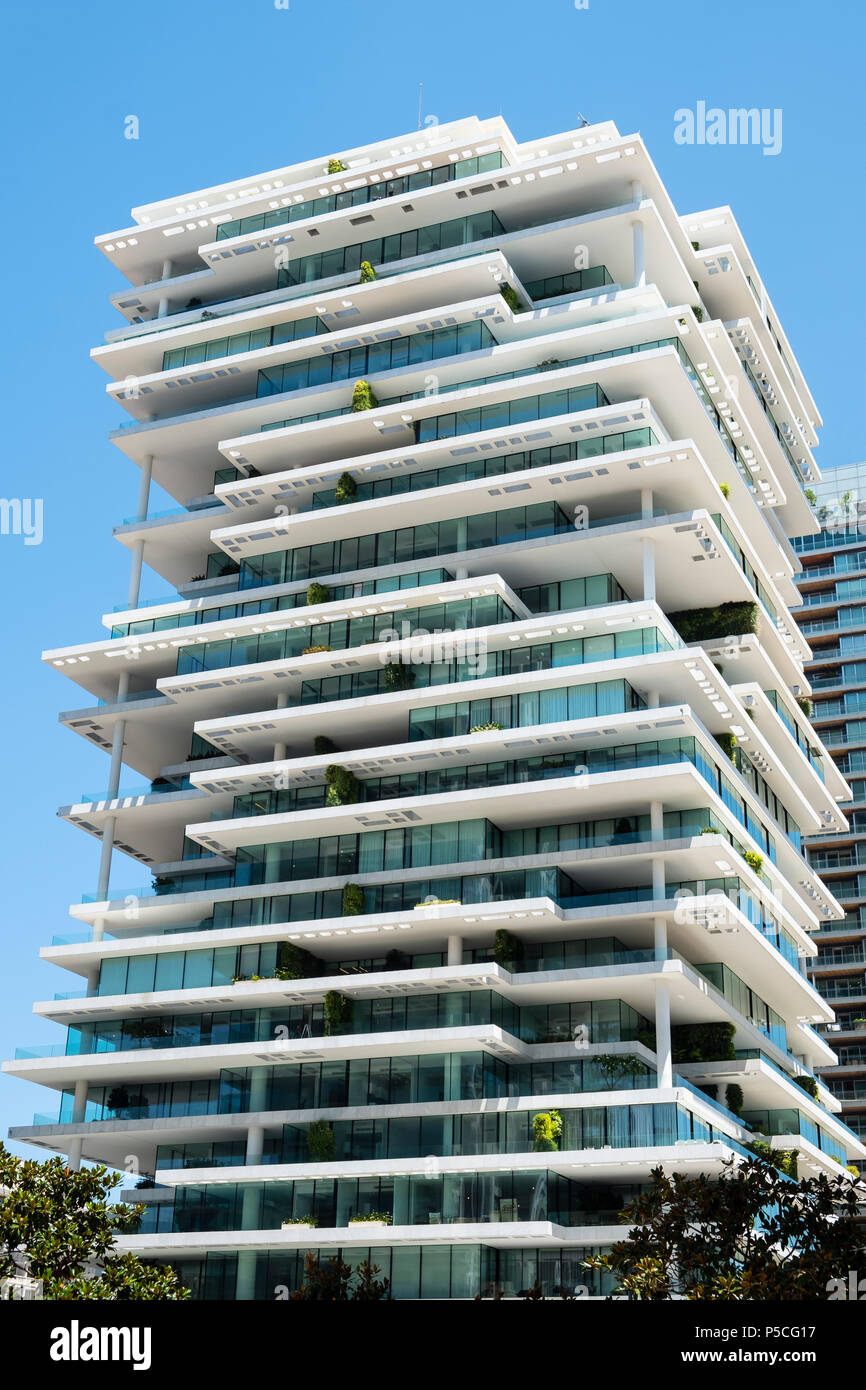
Moving forward, it's essential to keep these visual contexts in mind when discussing High-Rise Luxury Apartment Aerodynamics.